BIOGRAPHY
John Cronin
John Cronin is an Irish artist whose abstract paintings examine the changing relationship between perception, technology, and the material possibilities of painting. Over four decades, he has developed a sustained investigation into systems, structures, and the transformation of images in an increasingly digital culture.
Through a practice that combines physical experimentation with digitally informed processes, Cronin explores the space between human intuition and machine logic. His paintings bring together rigorous composition, complex surfaces, and an enduring engagement with the histories and future possibilities of abstraction.
Cronin has exhibited internationally since the 1980s, with his work receiving critical attention from writers including Donald Kuspit and John Yau. His paintings are held in public and private collections in Europe and the United States.
JOHN CRONIN
John Cronin is an Irish painter whose work explores the relationship between perception, material and knowledge.
Over four decades, Cronin has developed a distinctive abstract practice examining how images are formed, interpreted and understood. His paintings explore the space between physical experience and the systems through which contemporary reality is increasingly mediated.
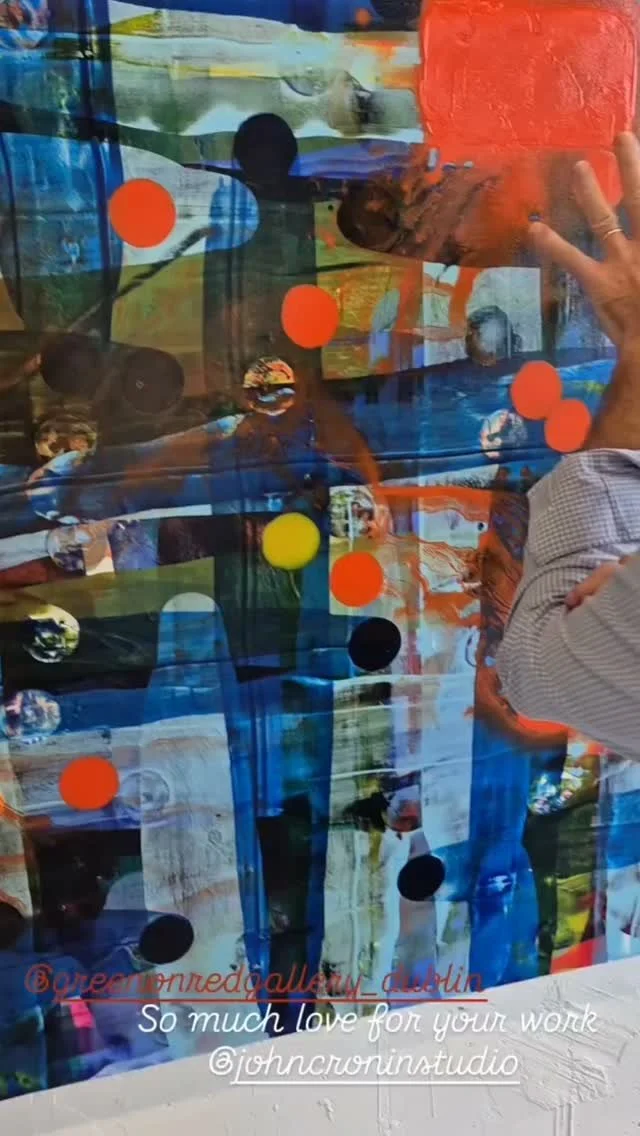
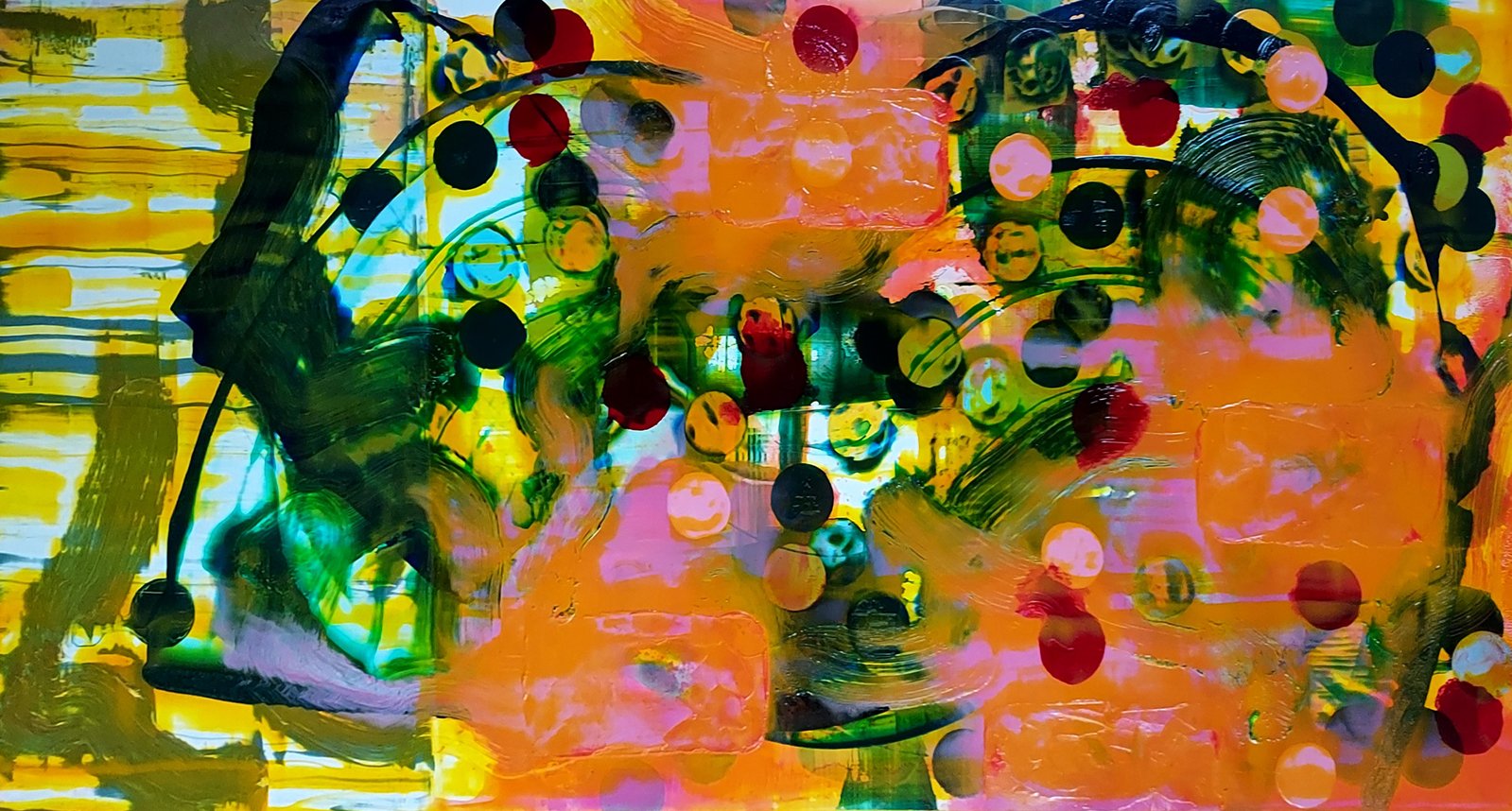
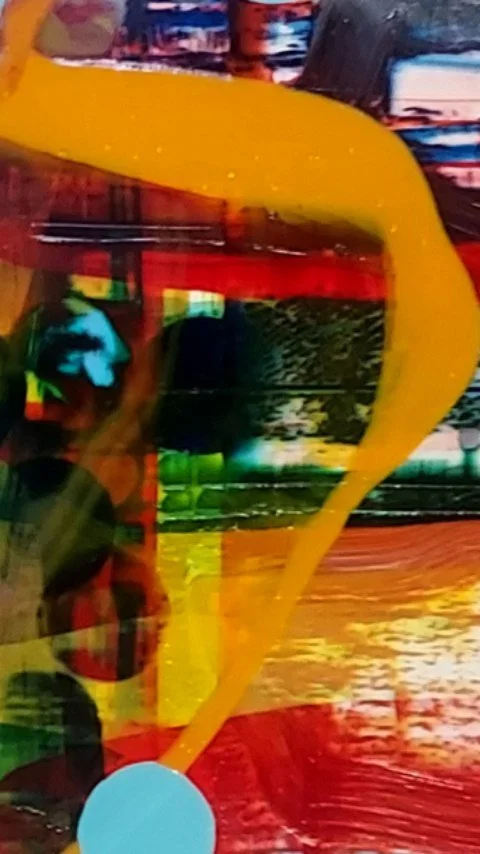
Working with oil paint on canvas and aluminium, Cronin creates complex surfaces where colour, light and material continually shift. Through processes of layering, removal and transformation, his paintings balance intention and chance, exploring the tension between the organic and the technological, the controlled and the unpredictable.
Across a series of conceptually driven bodies of work — including Standard Deviation, Augmented Reality, MHz, ZXX and Artificial Bee Colony — Cronin has examined how systems of language, information and technology shape perception and the construction of meaning.
His recent work extends this inquiry into the digital age, engaging with artificial intelligence and algorithmic culture not as subjects in themselves, but as catalysts for deeper questions around authorship, memory, evidence and the nature of images. At a moment when visual experience is increasingly mediated by machines, Cronin’s paintings return attention to the act of seeing itself.
Cronin has exhibited internationally across Europe, the United States and Asia, and his work has received critical attention from writers including Donald Kuspit and John Yau. His practice positions abstraction as an ongoing form of enquiry — a space where painting continues to examine the relationship between reality, representation and human experience.
“He puts the “juice” back into modernist painting, after Greenberg’s post-painterly theory squeezed it out.”
MATERIAL, SURFACE & PROCESS
Aluminium and canvas are not simply alternative supports but distinct fields of enquiry. Each establishes different conditions for the behaviour of paint, the construction of space and the experience of looking. Aluminium offers a surface of precision and immediacy, where colour and light remain acutely present. Canvas introduces resistance and duration, allowing the material history of the painting to accumulate within the work itself. Neither is privileged; each opens a different route through the same investigation.
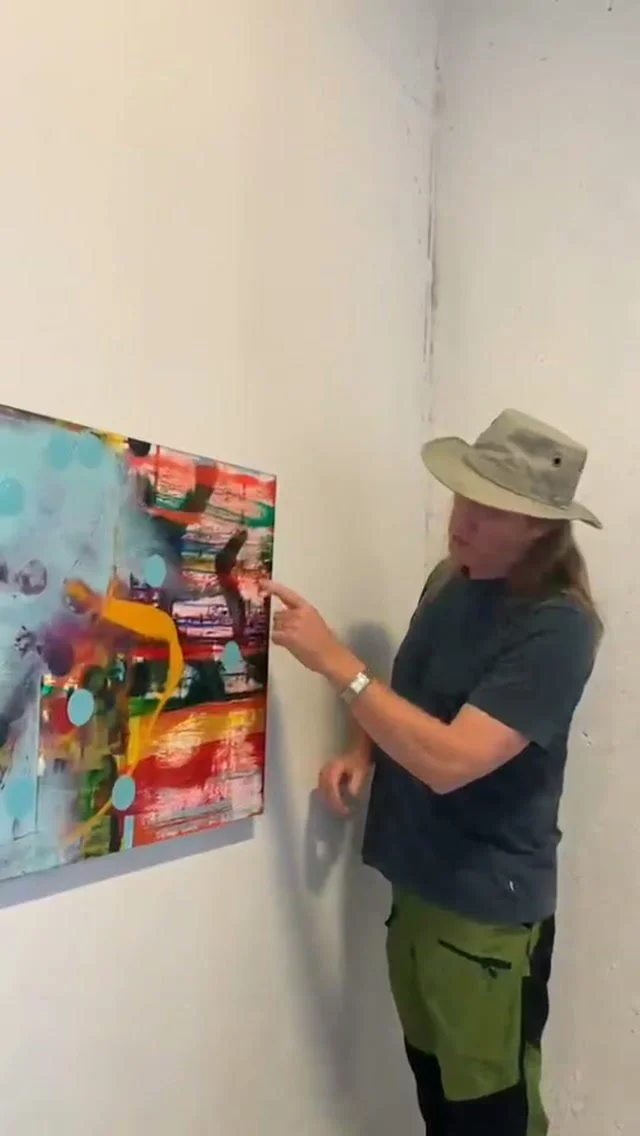
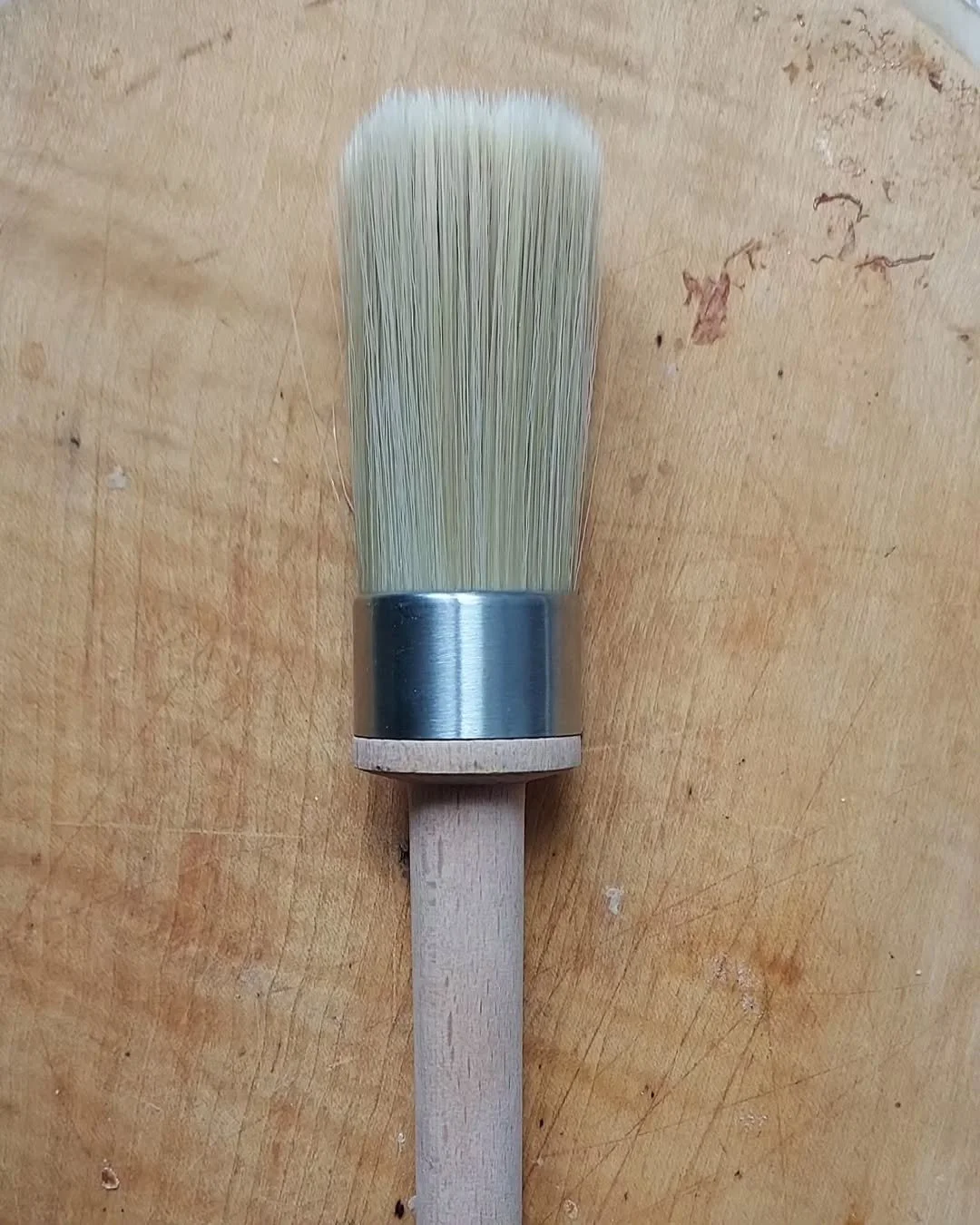
Cronin's paintings are developed through an extended process of adjustment, interruption and return. Working primarily with palette knives and spreaders, and using the brush with increasing economy, he treats each painting as a site of negotiation rather than execution. What emerges is neither wholly planned nor wholly contingent, but discovered through sustained engagement with the material intelligence of paint. The completed works do not conceal their making; they hold it in suspension, so that surface becomes less a record of process than a space in which perception continues to unfold.
REPRESENTATION
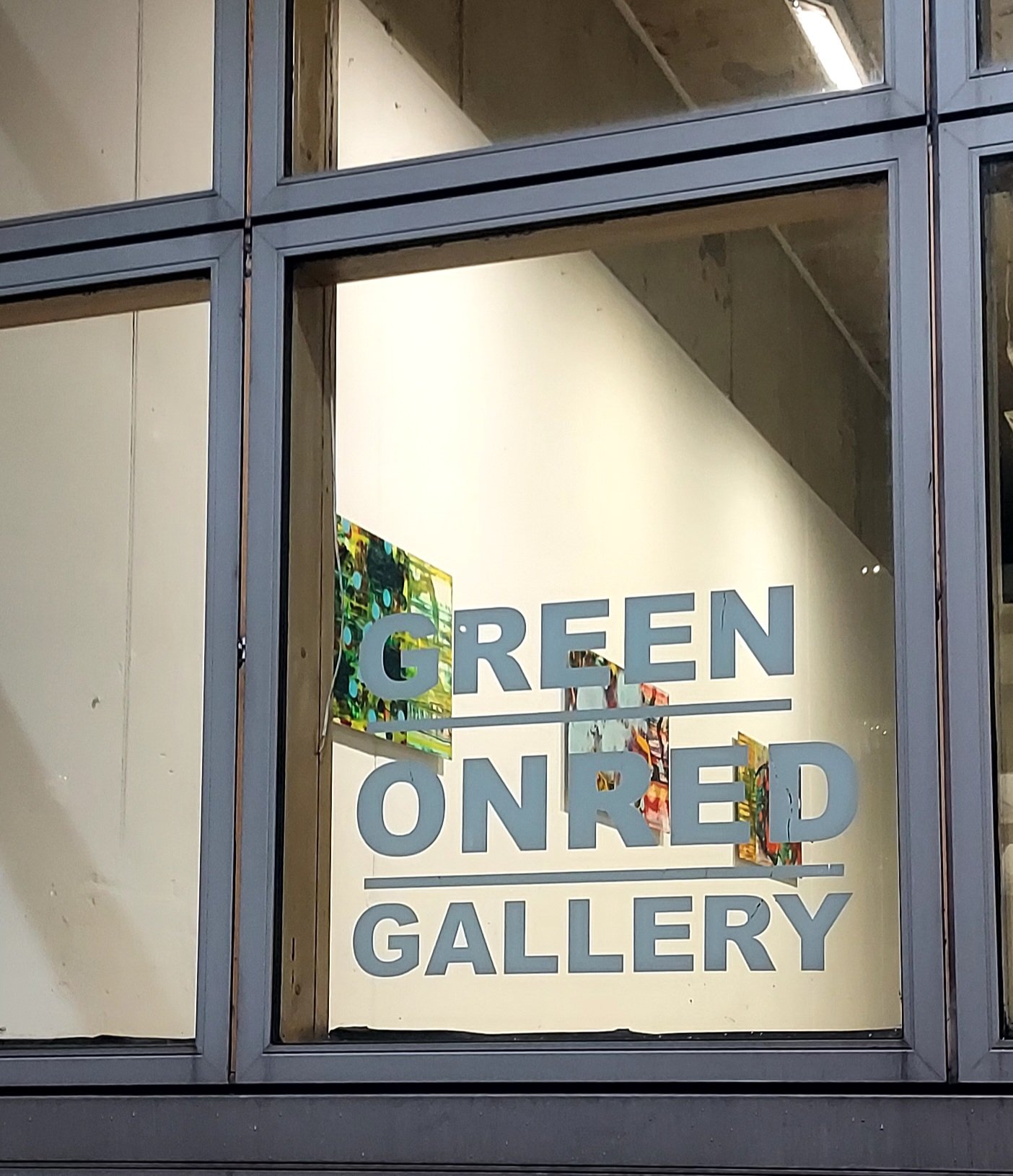
John Cronin is represented by Green On Red Gallery, Dublin.
View fullsize
![]()
View fullsize
![]()

View fullsize
![]()
View fullsize
![]()
View fullsize
![]()
View fullsize
![]()
View fullsize
![]()